- Old Town Scottsdale: (480) 949-9333
- Camelback & 101: (623) 777-1720

- Camelback: (623) 777-1720
- Scottsdale: (480) 949-9333
Call Us
Old Town Scottsdale:
Camelback & 101:
Old Town Scottsdale:
Camelback & 101:
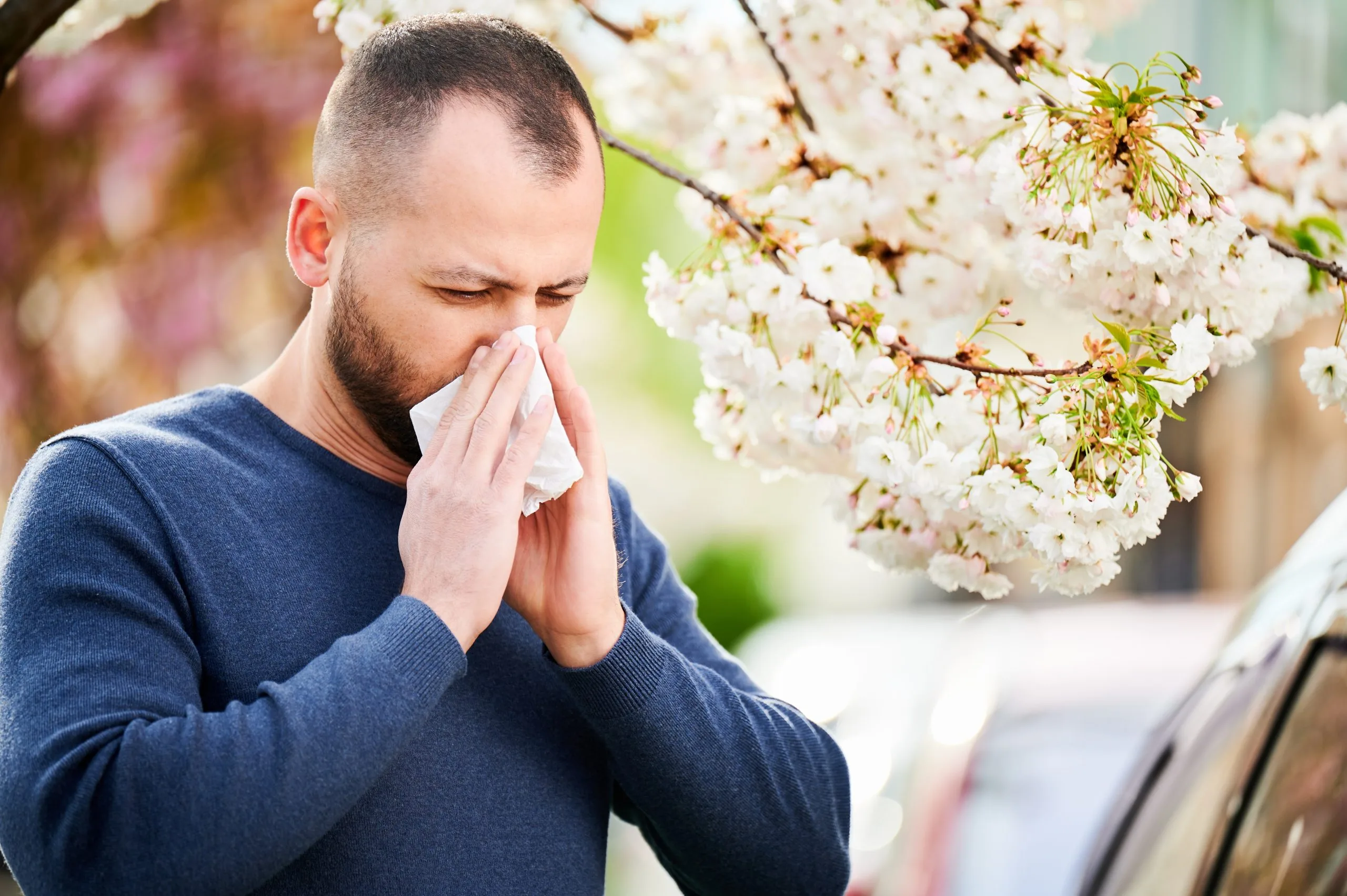
For many residents, the idea of a single “allergy season” in Phoenix is a misconception. The desert climate keeps plants blooming across more months than colder regions, so residents often deal with sneezing, congestion, and itchy eyes nearly year-round. The heaviest pollen waves arrive in spring (March through May), with a second strong wave in the fall.
This Phoenix allergy season guide explains when symptoms peak, which allergens cause the most trouble, and the steps you can take to feel better.
Allergy season refers to the period when specific plants are pollinating. When you inhale pollen, your immune system may release chemicals like histamine, causing a runny nose, sneezing, and watery eyes. Because different plants pollinate at different times, symptoms can come and go in spring, fall, or even winter, depending on your specific triggers.
Unlike regions with a hard winter freeze that provide a break from pollen, Phoenix’s mild climate allows something to bloom almost every month. The landscape combines native desert plants (such as mesquite and palo verde) with non-native species (such as mulberry and olive trees) introduced for landscaping. The result is a longer, more spread-out allergy calendar than people are used to elsewhere.
The dry, arid Sonoran Desert climate plays a major role in allergy severity. Low humidity keeps pollen airborne longer, while windy days and dust storms – known as haboobs – carry pollen, dust, and mold spores across vast distances. Add monsoon storms that stir up mold spores, and you have a climate that can aggravate symptoms year-round.
While some allergens are present year-round, Phoenix has main periods of high pollen intensity.
Late Winter to Early Spring (January–April): Dominated by tree pollen – one of the most intense periods for allergy sufferers.
Spring (March–May): Heavy tree and grass pollen overlap.
Late Spring to Early Summer (May–June): Grass pollen takes over as tree pollen subsides.
Late Summer to Fall (August–November): Weed pollen, particularly ragweed, becomes the primary culprit, with summer monsoons adding mold to the mix.
Tree pollen season begins. Juniper, cypress, and ash trees are some of the first to release pollen, though symptoms are usually mild this month.
Tree pollen ramps up significantly as mulberry, ash, juniper, and palo verde get active. Many people notice their first sneeze of the year now.
Often the peak of tree pollen season and one of the toughest months. Mesquite, olive, and palo verde are at their highest, and grasses begin. Symptoms often hit hard.
Trees and grasses overlap, keeping pollen counts high. Olive and mesquite remain major contributors, and windy days make things worse.
Grass pollen dominates as Bermuda grass begins its season. Olive and mesquite trees can also trigger strong reactions.
Grass pollen, especially Bermuda grass, is the dominant allergen. Pollen eases as the heat rises, but mesquite and grasses linger.
Monsoon season can wash pollen from the air, but increased humidity can raise mold spores and stir up dust. Weeds like ragweed begin to pollinate, and people with asthma often struggle.
Ragweed and other weeds, such as desert broom and careless weed, are the main offenders. Mold and dust remain active during monsoon season.
Ragweed and other weeds ramp up, starting the fall allergy wave and causing significant symptoms for sensitive individuals.
Weed pollen levels, including ragweed and desert broom, remain high. Cooler weather brings people outdoors, increasing exposure.
Pollen counts generally decline, but late-blooming weeds can still trigger symptoms, and indoor allergens become more noticeable as people spend more time inside.
Typically, the quietest month for pollen, though some juniper and cypress may begin pollinating late in the month, starting the cycle over.
The main culprits in the Phoenix area include:
Trees – olive, mulberry, mesquite, palo verde, ash, juniper, and cypress
Grasses – Bermuda grass is a major year-round offender
Weeds – ragweed, desert broom, careless weed, and sagebrush
Mold – stirred up during humid monsoon storms
Dust – common in the dry desert and lifted by wind
Pollen counts are gathered using air-sampling devices that collect particles over a 24-hour period. Specialists count the grains under a microscope and report the number as pollen grains per cubic meter of air. Local forecasts then translate that number into easy-to-read levels.
Pollen levels are grouped as low, moderate, high, or very high. A tree pollen count above 90 grains per cubic meter is often considered high, while a grass pollen count above 20 is high. When counts climb into the “high” or “very high” range, even people without a history of allergies may notice symptoms.
Local news outlets, weather apps, and websites publish a daily pollen forecast for the Phoenix metro, telling you which pollens are highest. Checking it each morning helps you plan outdoor activities, decide when to take medication, and know when to keep windows shut.
Allergy symptoms can range from mildly annoying to debilitating, impacting work, sleep, and overall quality of life.
The signs of seasonal allergies often mimic other illnesses, which is why a proper diagnosis is important. Common symptoms include:
Sneezing and a runny or stuffy nose
Itchy, watery, or red eyes
Itchy sinuses, scratchy throat, or itchy ear canals
Postnasal drip
Coughing and wheezing
Fatigue from poor sleep
These symptoms can look a lot like a cold. If you are unsure, our team can help you tell the difference between allergies and a cold or flu, or you can schedule a sick visit for clarity and an effective treatment plan.
On high-pollen days, people with allergies tend to feel worse and use more medication. For those with asthma, high pollen and mold can trigger flare-ups, tighten the chest, and make breathing harder. Tracking the daily count lets you stay one step ahead.
While you can’t eliminate pollen from the environment, you can reduce your exposure and manage your symptoms.
Start treatment before symptoms peak. If spring tree pollen always bothers you, begin taking your usual medication a couple of weeks before March. Stock up on saline rinses, replace air filters, and have a plan ready. A provider at Phoenix Internal Medicine can help you build a proactive plan based on your health history.
Shower and change clothes after spending time outdoors to wash pollen from your skin and hair. Wash bedding often in hot water, and keep pets clean since they carry pollen indoors on their fur.
A saline spray or neti pot flushes pollen and mucus from your nasal passages, reducing congestion and inflammation. Used daily during heavy pollen periods, it can ease symptoms without medication – always use distilled or boiled water.
On windy, high-pollen days, keep windows and doors shut at home and in the car. Use air conditioning instead of open windows to stay cool while filtering pollen out.
A high-efficiency particulate air (HEPA) filter captures pollen, dust, and mold spores. Run one in the bedroom so you breathe cleaner air while you sleep, which can cut morning symptoms.
Antihistamines, decongestants, nasal steroid sprays, and eye drops manage most mild-to-moderate symptoms. Talk with a provider if you are unsure which type fits your symptoms or if you take other medications.
When over-the-counter options aren’t enough, a provider may prescribe stronger nasal sprays, eye drops, or oral medications like montelukast. Our medication management service ensures new prescriptions interact safely with anything else you take.
If symptoms last for weeks, disturb your sleep, or trigger breathing problems, it’s time to see a professional. Our team at Phoenix Internal Medicine can review your medical history and develop a plan tailored to your needs. Learn more about our adult primary care.
Lab testing can help identify your triggers. With blood tests, lab work, and coordinated specialty referrals, we help you understand the cause of your symptoms and connect you with further testing. Based on results, immunotherapy (allergy shots or under-the-tongue tablets) may be an option to desensitize your immune system over time.
While Phoenix’s unique desert climate means navigating a nearly year-round allergy calendar, you don’t have to let seasonal pollen waves dictate your quality of life. By tracking daily counts, reinforcing your indoor spaces, and staying proactive with your symptom management, you can successfully minimize the impact of desert allergens. Remember, you don’t have to suffer through the high-pollen months alone.
If over-the-counter strategies aren’t cutting it, our team at Phoenix Internal Medicine is here to help you build a personalized relief plan so you can breathe easier and enjoy the Valley of the Sun comfortably.

Author
Phoenix Internal Medicine
June 24, 2026
Scottsdale:
Camelback: