
Insulin Resistance and Prediabetes Treatment
in Phoenix & Scottsdale, AZ
Phoenix Internal Medicine provides specialized care for insulin resistance & prediabetes in Phoenix and Scottsdale, AZ to help patients regain control over their metabolic health. Our team focuses on identifying early warning signs through comprehensive screenings and diagnostic testing. By addressing blood sugar imbalances today, we work to prevent the progression to type 2 diabetes and improve long-term wellness.
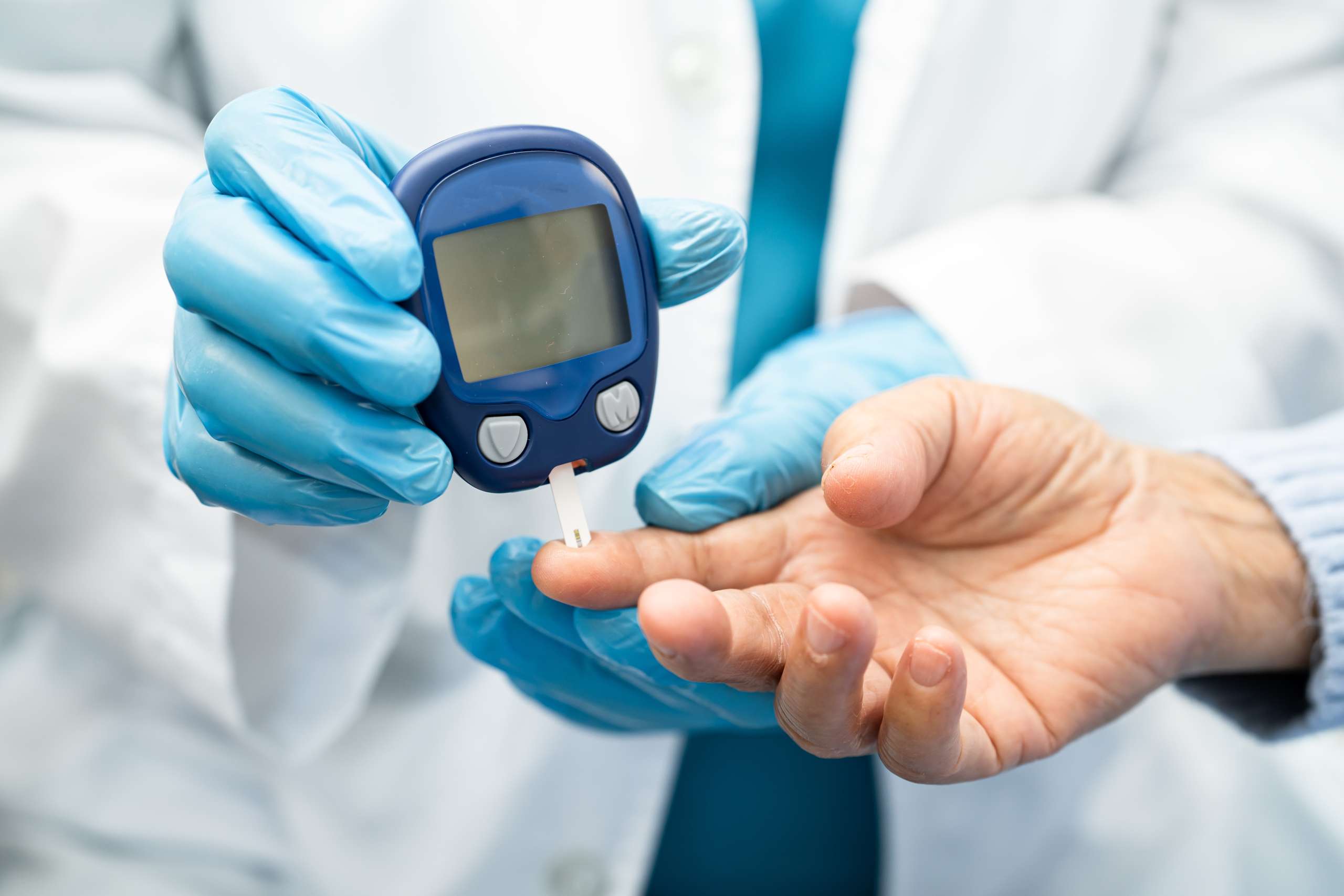
Table of Contents
Understanding Insulin Resistance and Prediabetes
Insulin resistance occurs when the body’s cells do not respond effectively to insulin, making it difficult to absorb glucose from the bloodstream. Prediabetes is the clinical stage where blood sugar levels are higher than normal but not yet high enough for a diabetes diagnosis. Without intervention, these conditions often progress to chronic metabolic diseases and cardiovascular issues.
Identifying Common Warning Signs
Increased Thirst and Frequent Urination
When blood glucose levels rise, the kidneys work harder to filter and absorb the excess sugar. This process often leads to increased fluid loss, resulting in persistent thirst and a more frequent need to urinate throughout the day
Persistent Fatigue and Low Energy
Because cells are unable to efficiently convert glucose into energy, patients often experience significant fatigue. This tiredness can persist even after a full night of rest and may interfere with daily activities or productivity.
Darkened Skin in Folded Areas
A condition known as acanthosis nigricans can cause patches of darkened, velvety skin to appear on the neck, armpits, or groin. This physical sign is frequently associated with high levels of insulin circulating in the bloodstream.
Unexplained Increase in Hunger
Since the body’s cells are not getting the energy they need from glucose, the brain may trigger signals for increased food intake. This can lead to a cycle of overeating and further blood sugar fluctuations.
Blurred or Changing Vision
High blood sugar levels can cause fluid to shift into the lenses of the eyes, affecting the ability to focus. While often temporary, persistent blurring should be evaluated by a healthcare professional immediately.
Primary Factors Driving Metabolic Changes
Excess body weight and a lack of physical activity are the primary drivers of insulin resistance. Genetic factors and a family history of type 2 diabetes also play a significant role in how the body processes sugar. Additionally, certain hormonal imbalances and a diet high in processed carbohydrates can exacerbate these metabolic challenges.
Professional Care Strategies for Blood Sugar
-
Comprehensive blood glucose and A1C monitoring.
-
Personalized nutritional counseling and meal planning.
-
Structured exercise and physical activity recommendations.
-
On-site laboratory testing for metabolic panels.
-
Medical management of underlying hormonal conditions.
-
Chronic care management for long-term health tracking.
Who Should Seek Metabolic Screening
Individuals who have a body mass index in the overweight or obese range should prioritize metabolic testing. Carrying excess weight, particularly around the midsection, is a strong indicator of potential insulin resistance .
Those with a sedentary lifestyle or minimal daily physical activity are at a higher risk for developing prediabetes. Increasing movement is essential for helping the body utilize insulin more effectively.
Patients with a family history of type 2 diabetes or metabolic syndrome should be screened regularly. Genetic predispositions can make the body more susceptible to insulin processing issues.
Women who have previously been diagnosed with polycystic ovary syndrome or gestational diabetes are ideal candidates for ongoing monitoring. These conditions are closely linked to future metabolic complications.
Check Your Insurance Coverage
Advantages of Proactive Metabolic Management
Prevention of Type 2 Diabetes
Early intervention allows patients to stabilize their blood sugar levels before they reach the threshold for a diabetes diagnosis. This proactive approach can significantly delay or entirely prevent the onset of chronic disease.
Enhanced Heart Health
Managing insulin levels helps reduce inflammation and improves lipid profiles, which are critical for cardiovascular health. This reduces the long-term risk of heart disease and stroke associated with high blood sugar.
Sustainable Weight Management
Improving insulin sensitivity makes it easier for the body to burn fat and maintain a healthy weight. Patients often find that their metabolism becomes more efficient once blood sugar is regulated.
Increased Daily Energy Levels
When cells can properly absorb glucose, the body experiences more stable and consistent energy throughout the day. This eliminates the sugar crashes and persistent fatigue often felt by those with insulin resistance.
Improved Long-Term Organ Function
Keeping blood sugar within a healthy range protects the kidneys, nerves, and eyes from the damaging effects of glucose toxicity. This ensures better overall health and functionality as patients age.

Quality Care at Phoenix Internal Medicine
Phoenix Internal Medicine offers a comprehensive approach to metabolic health by utilizing on-site diagnostic tests and laboratory services. This integration allows for faster results and more precise treatment adjustments. The practice focuses on chronic care management to provide patients with the continuous support and monitoring needed to achieve lasting health improvements.
Not sure which treatment is best for you?
Check Your
Insurance Coverage
Testimonials

Thank you to Phoenix Internal Medicine. Getting things done with precision and care. Nice team that is patient and understanding. Office is always clean. Hannah and Riley are nice and show concern to my medical situation.
— David K.
Meet Our Providers